

 Book Appointment
 Insurance & Forms
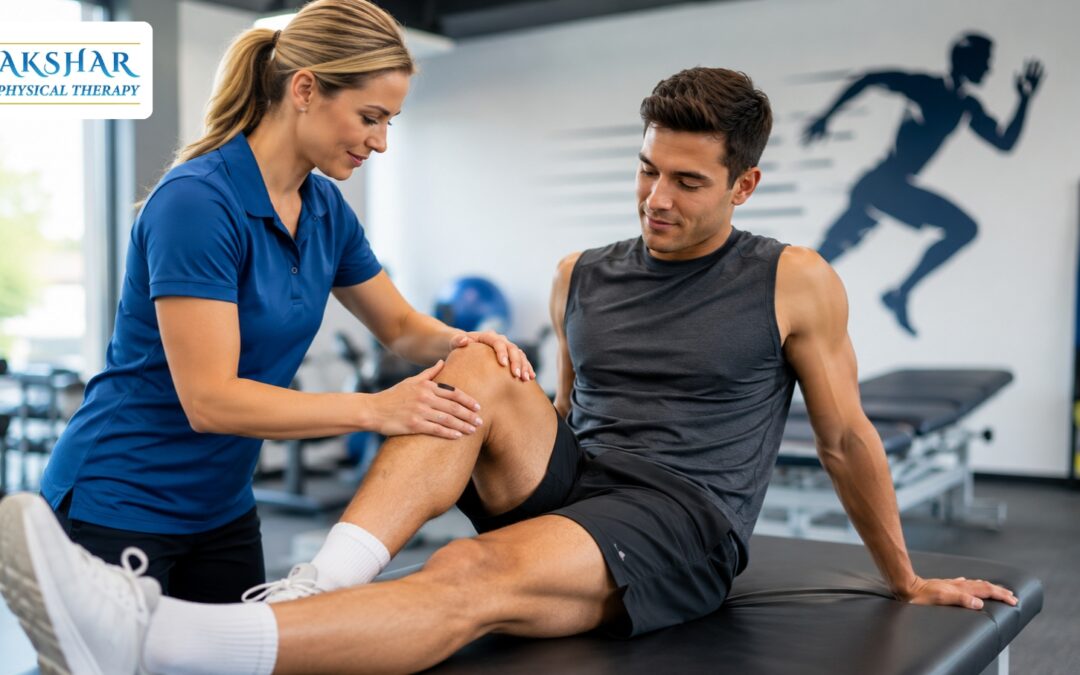
Whether you’re a professional athlete, a college competitor, a weekend warrior, or someone who enjoys staying active, injuries can be a frustrating setback. Sports-related injuries often affect performance, limit mobility, and increase the risk of long-term complications if not managed properly.
Physical therapy rehabilitation plays a critical role in helping athletes recover from injuries, regain strength, improve performance, and reduce the risk of future injuries. More than just a recovery tool, physical therapy is an essential part of an athlete’s overall health and performance strategy.
In this article, we’ll explore how athletes benefit from physical therapy rehabilitation, common conditions treated, and why incorporating rehabilitation into your training plan can support long-term success.
Understanding Sports Injuries
Athletic activities place significant demands on muscles, joints, ligaments, tendons, and bones. Repetitive movements, overtraining, poor mechanics, and sudden impacts can all contribute to injury.
Some of the most common sports injuries include:
- Sprains and strains
- ACL injuries
- Meniscus tears
- Rotator cuff injuries
- Tennis elbow
- Shin splints
- Achilles tendon injuries
- Ankle sprains
- Stress fractures
- Shoulder instability
- Low back pain
According to the American Academy of Orthopaedic Surgeons (AAOS), millions of sports and recreational injuries occur each year, affecting athletes of all ages and skill levels.
Why Physical Therapy Is Essential for Athletes
Many athletes focus solely on resting after an injury. While rest is important, it is often not enough to restore optimal function.
Physical therapy helps athletes recover safely and return to activity with improved movement, strength, and confidence.
Key Benefits Include:
- Faster recovery
- Reduced pain
- Improved flexibility
- Increased strength
- Better movement mechanics
- Enhanced athletic performance
- Lower risk of re-injury
Accelerates Recovery After Injury
One of the primary goals of physical therapy rehabilitation is to promote safe and efficient healing.
A physical therapist develops an individualized treatment plan based on:
- Type of injury
- Severity of injury
- Sport-specific demands
- Athlete’s goals
Treatment may include:
- Manual therapy
- Mobility exercises
- Strengthening programs
- Functional movement training
This structured approach often helps athletes recover more effectively than rest alone.
Reduces Pain Naturally
Pain is a common concern following sports injuries.
Physical therapists use evidence-based techniques to address the root cause of discomfort, including:
Common Pain Management Approaches
- Therapeutic exercises
- Joint mobilization
- Soft tissue techniques
- Stretching programs
- Movement correction strategies
These interventions can help athletes manage pain while supporting long-term recovery.
Restores Strength and Mobility
Injuries frequently lead to muscle weakness, stiffness, and reduced range of motion.
Physical therapy focuses on rebuilding:
Strength
Targeted exercises help restore muscle performance and joint stability.
Flexibility
Stretching programs improve mobility and reduce movement restrictions.
Balance and Coordination
Athletes often need specialized training to restore neuromuscular control after injury.
Improving these areas is essential before returning to competition.
Helps Prevent Future Injuries
One of the most valuable aspects of physical therapy is injury prevention.
Many sports injuries occur because of:
- Muscle imbalances
- Poor movement patterns
- Weak stabilizing muscles
- Overuse
- Improper training techniques
Physical therapists assess movement quality and identify risk factors before they lead to injury.
Injury Prevention Strategies
- Movement screening
- Strength training
- Flexibility improvement
- Sport-specific conditioning
- Balance training
- Biomechanical analysis
By addressing these issues early, athletes can significantly reduce their injury risk.
Improves Athletic Performance
Physical therapy isn’t just for injured athletes.
Many elite athletes incorporate rehabilitation and performance training into their regular routines.
Benefits may include:
- Improved movement efficiency
- Better balance
- Increased flexibility
- Enhanced muscular control
- Greater endurance
- Improved power generation
Optimizing body mechanics often translates into better athletic performance.
Supports a Safe Return to Sport
Returning to sports too soon can increase the risk of re-injury.
Physical therapists use objective testing to determine whether an athlete is ready to return safely.
Return-to-Sport Assessments May Include:
- Strength testing
- Functional movement testing
- Balance assessments
- Agility drills
- Sport-specific performance evaluations
This process helps ensure athletes are physically prepared for competition.
Common Sports Injuries Treated With Physical Therapy
- ACL Injuries: Rehabilitation helps restore knee stability, strength, and function following ACL injuries and reconstruction.
- Rotator Cuff Injuries: Therapy focuses on improving shoulder mobility, strength, and overall performance.
- Tennis Elbow: Treatment reduces pain and improves function in the forearm and elbow.
- Shin Splints: Therapists address muscle imbalances and training errors contributing to lower leg pain.
- Ankle Sprains: Rehabilitation improves balance, stability, and strength to prevent recurring injuries.
What Happens During Sports Rehabilitation?
Every athlete receives a personalized treatment plan.
Initial Evaluation
The therapist assesses:
- Injury history
- Pain levels
- Strength
- Mobility
- Functional limitations
- Athletic goals
Customized Rehabilitation Program
Treatment may include:
- Therapeutic exercises
- Manual therapy
- Flexibility training
- Strengthening programs
- Neuromuscular training
- Sport-specific drills
The program progresses as healing occurs and performance improves.
Tips for Athletes to Maximize Recovery
- Follow Your Rehabilitation Plan: Consistency is one of the most important factors in successful recovery.
- Avoid Returning Too Soon: Returning before full recovery increases injury risk.
- Prioritize Sleep and Nutrition: Proper recovery requires adequate rest and balanced nutrition.
- Stay Communicative: Keep your therapist informed about symptoms and training demands.
- Focus on Long-Term Health: Recovery should not only address current symptoms but also support future athletic performance.
Final Thoughts
Athletic success depends on more than training and competition. Recovery, injury prevention, and movement quality are equally important. Physical therapy rehabilitation helps athletes recover from injuries, restore function, improve performance, and reduce the risk of future setbacks.
Whether you’re recovering from an injury or looking to optimize your performance, physical therapy can be an important part of achieving your athletic goals safely and effectively.
Frequently Asked Questions
Can physical therapy improve athletic performance even without an injury?
Yes. Many athletes use physical therapy to improve mobility, strength, movement efficiency, and injury prevention.
How long does sports rehabilitation take?
Recovery timelines vary depending on the injury type, severity, and individual healing response.
Is physical therapy only for professional athletes?
No. Athletes of all ages and skill levels can benefit from physical therapy rehabilitation.
Can physical therapy help prevent sports injuries?
Yes. Physical therapists identify movement dysfunctions and risk factors that may contribute to future injuries.
When should an athlete see a physical therapist?
Athletes should seek evaluation if they experience pain, limited mobility, recurring injuries, weakness, or changes in performance.
How does physical therapy help athletes recover from injuries?
Physical therapy helps athletes recover by reducing pain, restoring mobility, rebuilding strength, and improving movement patterns. A personalized rehabilitation program can help athletes safely return to training and competition while reducing the risk of re-injury.
Can physical therapy improve athletic performance?
Yes. Physical therapy can improve flexibility, balance, strength, coordination, and movement efficiency. Many athletes use physical therapy not only for injury recovery but also to enhance overall athletic performance.
What types of sports injuries can physical therapy treat?
Physical therapy can help treat a wide range of sports injuries, including:
- ACL injuries
- Meniscus tears
- Rotator cuff injuries
- Tennis elbow
- Shin splints
- Ankle sprains
- Stress fractures
- Muscle strains and sprains
- Back and neck injuries
How soon should an athlete start physical therapy after an injury?
The timing depends on the injury and a healthcare provider’s recommendations. In many cases, starting rehabilitation early can help improve recovery outcomes and prevent complications.
Can physical therapy help prevent future sports injuries?
Yes. Physical therapists identify muscle imbalances, movement dysfunctions, and biomechanical issues that may increase injury risk. Correcting these problems can help athletes stay healthy and perform at their best.
How long does sports rehabilitation usually take?
Recovery time varies based on the severity of the injury, the athlete’s overall health, and their commitment to rehabilitation. Some athletes recover within a few weeks, while others may require several months of therapy.
Is physical therapy only for professional athletes?
No. Athletes of all ages and skill levels can benefit from physical therapy. Whether you’re a professional competitor, student athlete, or recreational sports enthusiast, rehabilitation can help improve recovery and performance.
What happens during a sports physical therapy session?
A typical session may include:
- Strengthening exercises
- Flexibility training
- Balance and coordination drills
- Manual therapy
- Sport-specific rehabilitation exercises
- Injury prevention education
Treatment plans are customized to each athlete’s needs and goals.
When can an athlete safely return to sports after an injury?
An athlete should return to sports only after meeting specific recovery milestones, such as restored strength, mobility, balance, and functional performance. A physical therapist can help determine when it is safe to resume activity.
Can physical therapy help athletes avoid surgery?
In some cases, yes. Physical therapy may help manage certain conditions and injuries through conservative treatment approaches. However, the need for surgery depends on the severity of the injury and should be determined by a qualified healthcare professional.
What are the benefits of sports rehabilitation for young athletes?
Sports rehabilitation helps young athletes recover safely, improve movement mechanics, reduce injury risk, and develop healthy habits that support long-term athletic participation.
How often should athletes attend physical therapy sessions?
The frequency of therapy depends on the injury, treatment goals, and recovery progress. Your physical therapist will recommend a schedule that best supports your rehabilitation and return-to-sport goals.